Blocked Toilet in Arundel? What to Do Before You Call a Professional
A blocked toilet is a frustrating issue that many homeowners in Arundel and the surrounding West Sussex towns such as Littlehampton and Bognor Regis encounter. Whether due to everyday use or unexpected obstructions, a blocked toilet can disrupt your household's routine and cause concern about potential damage or hygiene problems.
Before reaching for the phone to call a drainage expert, there are some straightforward, safe measures you can try yourself. Understanding what to avoid and recognising when a blockage might point to a deeper drain issue will help you manage the problem efficiently and prevent further complications.
Safe First Steps to Try When Your Toilet is Blocked
If your toilet in Arundel becomes blocked, the first thing to do is avoid panicking. Often, blockages are caused by simple issues such as too much toilet paper or an object accidentally dropped in. One of the safest initial approaches is to use a plunger. Ensure you have a good seal around the toilet hole and plunge with steady, controlled movements to try and dislodge the blockage.
Another helpful step is to check the toilet cistern. Sometimes the water level is too low, which can result in inadequate flushing power. Adjusting the float mechanism to increase the water level can aid in clearing minor clogs. However, it's important not to flush repeatedly if the toilet is blocked, as this can cause overflow, making the problem worse and creating a mess that’s harder to clean.
Avoid using chemical drain cleaners. While it might be tempting to pour these down the bowl, they can damage your toilet's porcelain and harm the surrounding pipes over time — especially considering the older drainage systems common in many West Sussex homes. Instead, stick to manual methods or call a professional if these don't work.
What to Avoid When Dealing with a Blocked Toilet
Repeatedly flushing a blocked toilet is a mistake many homeowners in Arundel make. Each flush adds more water to the bowl, which can cause it to overflow onto the floor, especially if the blockage is severe. This not only creates an unpleasant and unsanitary mess but also risks water damage to your bathroom floor and fixtures.
Using random household tools to try and clear the blockage should also be avoided. Items like coat hangers or broom handles may scratch or crack the toilet bowl, leading to costly repairs. Additionally, pushing items further down the drain could make the blockage worse and more difficult for a professional to remove.
Lastly, do not ignore the issue hoping it will resolve itself. A blocked toilet can cause backflow or drainage issues in connected pipes, particularly in older properties typical of Arundel and nearby towns like Rustington or East Preston, where ageing drainage infrastructure may already be vulnerable.
How to Identify if the Problem Is a Drain Issue
Sometimes, what appears to be a blocked toilet is actually a symptom of a wider drainage problem. Signs that the issue may be beyond the toilet itself include slow drainage in other fixtures, such as sinks or showers, and unusual gurgling noises coming from the pipes after flushing.
In the local context of West Sussex, especially in areas like Ferring or Middleton-on-Sea, older properties may have drainage systems that are prone to blockages caused by tree roots, soil movement, or gradual build-up of waste materials. If water starts backing up into lower fixtures or outdoor drains near your home, this strongly indicates a blocked main drain rather than just a toilet issue.
If you notice foul odours around your property or persistent damp patches in the garden near drainage points, these also suggest a drainage block. In such cases, the problem requires prompt attention from a drainage specialist to avoid damage spreading under your property or to neighbouring homes.
Why Repeated Flushing Makes Toilet Blockages Worse
Many attempt to ‘force through’ a blockage by repeatedly flushing the toilet, hoping it will eventually clear. However, this often causes the water level to rise dangerously high, leading to potential overflow onto the bathroom floor. This is not only unpleasant but can cause water damage, particularly if the flooring is wood or carpet, which are common in older Arundel houses.
Moreover, the extra water pressure from multiple flushes can push the blockage deeper into the drainage pipes, making it more stubborn and challenging for a professional to clear. This can extend repair times and increase costs.
Being patient and using a plunger correctly is a better approach. If the blockage doesn’t clear after initial attempts, it’s safer to stop flushing and seek professional help rather than risk making the problem worse.
When to Call a Professional for Your Blocked Toilet
If your attempts to clear a blocked toilet in Arundel have not succeeded within a few tries, it’s wise to call a professional drainage company. Persistent blockages might indicate underlying issues such as damaged pipes, collapsed drains, or deep blockages in main sewer lines, especially given the varied drainage infrastructure around West Sussex.
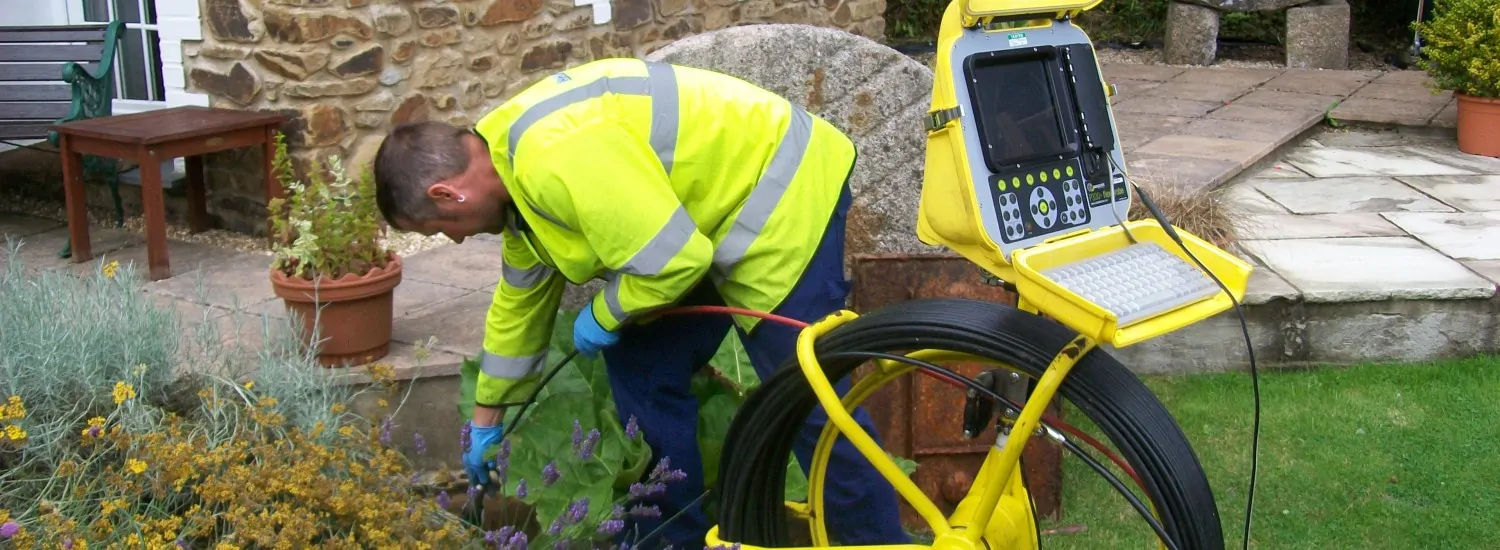
You should also call for help immediately if you experience repeated flooding, sewage smells indoors, or if water backs up into other parts of the house. These are clear signs of a more serious problem that requires expert assessment and specialised tools like CCTV drain surveys or power flushing.
Local drainage experts familiar with the particular soil conditions and pipe materials common in towns like Bognor Regis or Angmering are best equipped to diagnose and resolve these issues promptly to prevent damage and restore normal drainage.
Preventing Future Blockages in Your Arundel Home
Once your blocked toilet is fixed, taking steps to prevent future issues is important. Avoid flushing anything other than toilet paper and human waste down the toilet. Items like wet wipes, sanitary products, or kitchen waste can quickly cause blockages.
Regularly servicing your drainage system, especially if you live in older properties common in Arundel or Walberton, helps maintain pipe integrity and spotting blockages early. Clearing nearby gutters and external drains prevents debris entering your drainage system, particularly during the wet West Sussex winters.
Being mindful of what you flush and scheduling occasional inspections with a drainage professional will help keep your home’s plumbing running smoothly, saving you stress and money in the long run.
How Local Drainage Conditions Affect Toilet Blockages
West Sussex’s coastal environment, including towns like Felpham and Aldwick, can influence how drainage systems perform. The sandy soil, combined with older underground pipes, means blockages caused by shifting ground or root intrusion can be more frequent here than in urban areas.
Seasonal rainfall patterns can also impact drainage flow, causing blockages in outdoor drains that affect toilet drainage. Properties near open water or low-lying land may be at risk of drainage backflow, which can cause toilets to block or overflow unexpectedly.
Understanding these local conditions helps homeowners in Arundel and nearby areas take proactive measures, such as installing backflow prevention valves or arranging routine checks during wetter months, to reduce the likelihood of toilet and drainage problems.
Need a drainage expert in Arundel?
Call 01903 905205