Drain Repairs vs Drain Relining in Arundel: Which Do You Need?
Living in Arundel or the surrounding West Sussex towns often means dealing with older drainage systems beneath your property. Whether your home is in the historic heart of Arundel, or nearby areas like Littlehampton or Rustington, drainage issues are a common headache for homeowners. Understanding the best way to address a damaged drain is essential to avoid costly repairs and disruption.
Two popular solutions to damaged drains are traditional excavation repairs and modern no-dig drain relining. Each method has its distinct advantages and limitations. This article explores both approaches in detail, helping you make an informed decision on which is best suited to your property’s drainage problems.
Understanding Traditional Drain Repairs
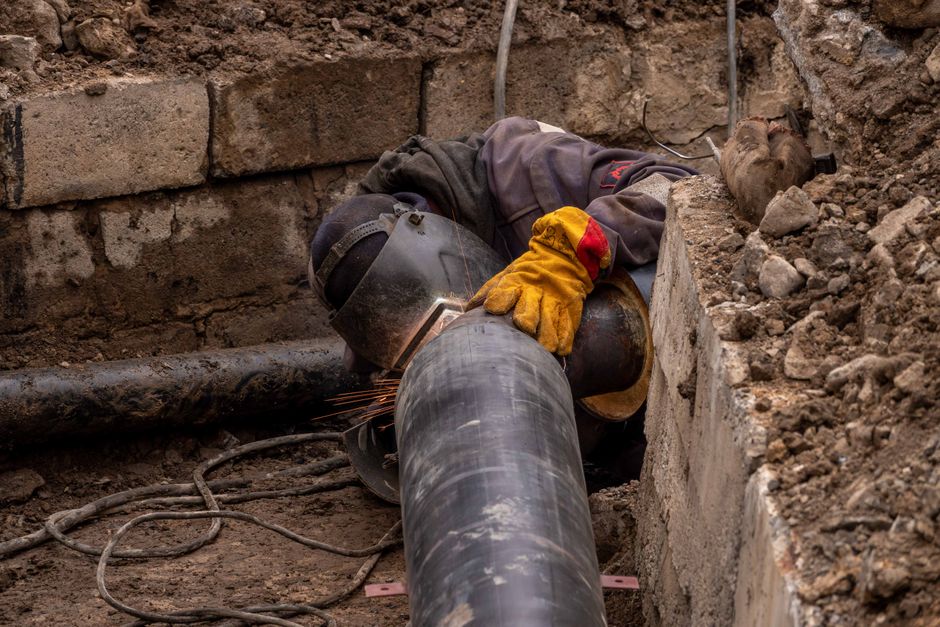
Traditional drain repairs involve excavating the damaged section of a drain pipe and physically replacing or fixing it. This method is often considered the standard approach and has been used for decades in West Sussex homes. Excavation allows plumbers to directly access the pipe, identify the exact problem, and carry out comprehensive repairs.
In towns like Bognor Regis or Felpham, where properties may have ageing drainage infrastructure, this approach gives the chance to inspect the pipework thoroughly. However, digging up your garden, driveway, or pavement can be disruptive and messy, leading to temporary access issues at your Arundel home.
While effective for serious structural damage such as collapsed pipes or large cracks, this method tends to be time-consuming and costly due to the labour involved. It also requires reinstating the surface after repairs, which can add to the expense and inconvenience.
What Is Drain Relining?
Drain relining is a no-dig technology that repairs damaged pipes by inserting a resin-coated liner into the existing drain. The liner is inflated inside the pipe and cured to form a new, seamless pipe within the old one. This trenchless method avoids excavation, making it particularly attractive for properties in tight spaces within Arundel and nearby villages like Walberton or Yapton.
The process preserves the surrounding landscaping and hard surfaces, reducing disruption during repairs. Drain relining also tends to be quicker because the need for digging and reinstatement is eliminated. The new lining can prevent leaks and blockages for many years, often restoring the drain close to its original condition.
This method suits pipes with moderate damage such as cracks, corrosion, or root intrusion but may not be appropriate for severely collapsed or misaligned pipes. It is increasingly popular in West Sussex due to its convenience and durability.
Pros and Cons of Traditional Drain Repairs
One major advantage of traditional repairs is that plumbers can fully replace damaged sections, which is the best fix for heavily compromised drains. This approach provides a permanent solution for severe damage and allows direct inspection of pipe condition.
On the downside, the excavation required causes disruption to your property, which can be distressing for homeowners in Arundel’s conservation areas or those with carefully maintained gardens. The repair time and cost are typically higher due to the manual labour and materials needed.
Additionally, depending on the soil and weather conditions common in West Sussex, digging can be complicated and time-sensitive, sometimes extending project timelines.
Pros and Cons of Drain Relining
Drain relining drastically minimises disruption and can often be completed within a day, a huge benefit for busy homeowners in coastal towns like Middleton-on-Sea or Climping. The absence of digging means no damage to gardens or driveways, preserving your property’s curb appeal.
It is a cost-effective alternative to excavation, especially for moderate damage, and the new lining can extend the lifespan of your drainage system significantly. However, it may not be suitable if the pipe is severely collapsed or the damage is too extensive to support lining installation.
Another consideration is that relining slightly reduces the internal diameter of the pipe, which usually isn’t an issue but can affect very narrow drains. Also, some blockages or offsets in pipe alignment might still require traditional methods.
How to Decide Which Method Suits Your Drain
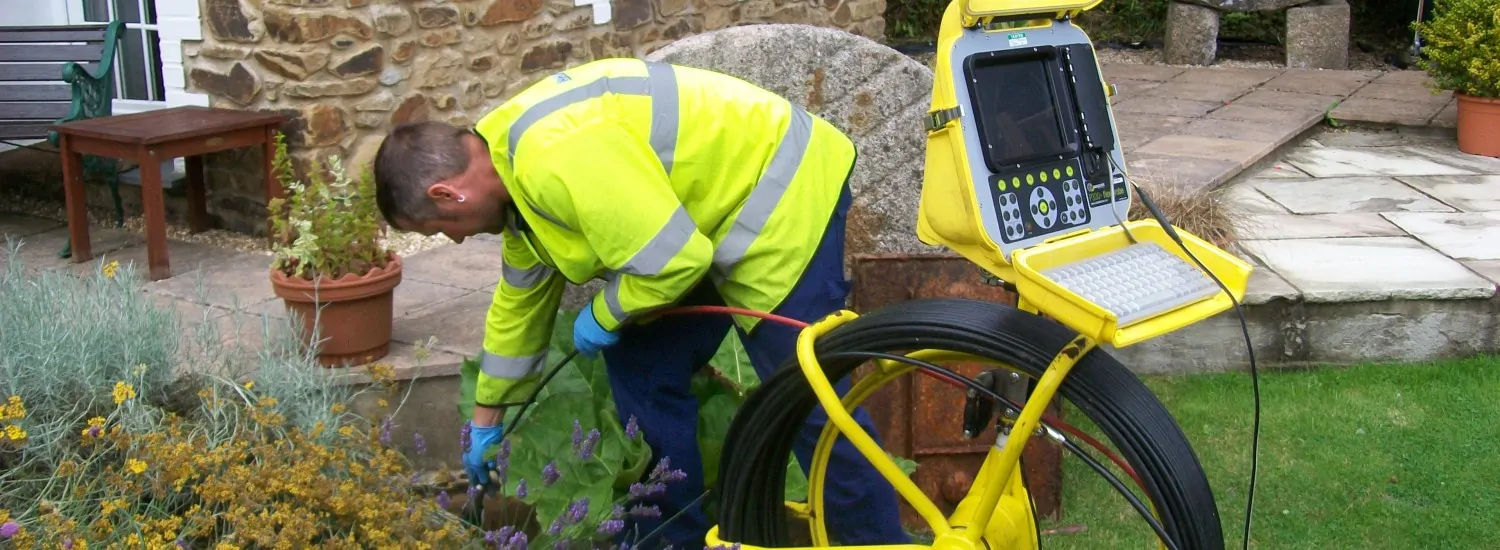
Choosing between traditional repair and drain relining depends on the drain’s condition, location, and your property’s needs. A professional CCTV drain survey is usually the first step. This non-invasive inspection provides a clear picture of pipe damage and helps determine the best repair method.
If the survey reveals a collapsed or severely broken pipe, traditional excavation repair is often necessary. For cracks, minor leaks, or root penetration, relining offers a practical and less disruptive alternative. Consider the impact on your property too; properties in Arundel’s conservation zone or those with delicate landscaping may benefit more from no-dig technology.
Your budget and timeline also play roles. Relining generally costs less and completes faster, but if a long-term fix for extensive damage is needed, excavation might be more cost-effective over time.
Local Factors Affecting Drain Repairs in West Sussex
West Sussex’s soil composition and drainage patterns influence repair choices. Areas around Arundel and nearby Barnham experience clay-heavy soil, which can cause pipe shifting and cracking, increasing the risk of damage. This makes thorough inspections essential before deciding on repair methods.
Coastal towns like Bognor Regis or East Preston face additional challenges from groundwater levels and salt air, which can accelerate pipe corrosion and root growth. Drain relining can help protect pipes against these conditions by creating a waterproof barrier inside existing drains.
Seasonal weather fluctuations in West Sussex also affect when and how repairs can be done. Wet winters might delay excavation works due to ground saturation, whereas relining is less weather-dependent, offering more scheduling flexibility.
What to Expect During Drain Repairs or Relining
If you opt for traditional excavation repair, expect some disruption. The team will need access to your garden, driveway, or even public pavements adjacent to your property in Arundel. The damaged pipe section will be dug up, removed, and replaced before the surface is restored. Depending on the extent, this process can take several days.
Drain relining is less invasive; technicians access the drain through existing manholes or inspection chambers. The liner is inserted and cured, often using steam or UV light, within a few hours. Most homes in West Sussex can remain fully operational during this work, with minimal noise or mess.
In both cases, a follow-up CCTV survey is recommended to verify that repairs have been successful and your drainage system is functioning correctly.
Maintaining Your Drains After Repair or Relining
After any repair or relining work, proper drain maintenance helps extend the life of your drainage system. Avoid flushing fats, oils, and non-biodegradable items down your drains to reduce blockages common in West Sussex homes from Aldwick to Slindon.
Regular CCTV drain surveys every few years can spot minor issues before they become major problems, saving you costly repairs. Keeping tree roots at bay by monitoring garden plants near underground drains is especially important in areas like Angmering or Ferring, where root intrusion can be a frequent cause of damage.
Ensuring gutters and surface water drains around your Arundel property are clear also helps prevent excess water saturating the ground near drainage pipes, limiting stress on your system.
Need a drainage expert in Arundel?
Call 01903 905205