Outside Drains and Gullies: A Guide for Arundel Homes
For homeowners in Arundel and the surrounding West Sussex area, outside drains and gullies are essential components in protecting properties from water damage. These drainage features manage rainwater runoff, helping to keep driveways, gardens, and building foundations dry. Yet many people overlook how they function and why regular maintenance is crucial to avoid blockages and flooding issues.
Whether you live in Arundel, Littlehampton, or Bognor Regis, understanding your property's drainage system can save you time and money. Seasonal changes, especially autumn leaf fall and winter rains, increase the risk of drains becoming clogged with debris such as leaves, silt, and soil. This guide explains how outside drains and gullies work, why blockages happen, and practical maintenance tips suitable for homes across West Sussex.
How Outside Drains, Gullies, and Channel Drains Work
Outside drains, gullies, and channel drains each play a vital role in directing surface water away from your home. Gullies are recessed drains usually found alongside roads or near foundations that collect surface water and channel it into underground drainage pipes. Channel drains, sometimes called linear drains, are long narrow channels often installed along driveways or patios to quickly capture water flow and prevent pooling.
In typical Arundel properties, these drainage components connect via a system of underground pipes that carry water away to the main public sewer or soakaway system. This network is designed to handle rainfall efficiently, especially during the wet months common in West Sussex.
Properly functioning drains and gullies reduce flood risk, protect building foundations from damp problems, and prevent water from damaging landscaped areas. Understanding their layout and operation helps homeowners spot issues early before they lead to costly repairs.
Why Leaves and Silt Block Outside Drains and Gullies
One of the most common causes of drain blockages in Arundel and nearby towns like Rustington and East Preston is an accumulation of leaves and silt. Trees shedding leaves in autumn deposit large volumes of organic material, which can easily wash into gullies and become trapped. Over time, this creates dense blockages that restrict water flow.
Silt and soil from garden beds, driveways, and nearby construction sites also contribute to clogging. When heavy rains wash fine particles into the drainage system, they settle and accumulate inside pipes and gullies, gradually reducing their capacity.
In coastal areas like Ferring and Bognor Regis, occasional sandy deposits blown by the wind can add another layer of debris that exacerbates blockages. If left unattended, these blockages may cause water to back up, resulting in standing water near your home and increasing the risk of flooding.
Seasonal Maintenance Tips for Outside Drains and Gullies
Regular maintenance is key to keeping your outside drains and gullies clear and functioning properly. For homeowners in Arundel and the surrounding West Sussex towns, scheduling checks every spring and autumn is advisable. These seasons bring heavy rains and leaf fall, both of which heighten the risk of blockages.
Start by removing visible debris such as leaves, twigs, and dirt from gully grates and channel drains. Using a hand trowel or drain cleaning tool, clear out any blockage inside the gullies if accessible. For a more thorough clean, you may consider hiring a professional to use specialised equipment like water jetting or drain rods.
Avoid allowing garden waste or soil to accumulate near drains, particularly after landscaping or building work, to reduce silt buildup. Ensuring gutters and downpipes feed water into gullies correctly also helps improve drainage efficiency around your property.
Recognising the Signs of Blocked Outside Drains
Being able to identify early signs of blocked outside drains and gullies can prevent more serious drainage problems. Common symptoms include slow draining water on driveways or patios, unpleasant odours near gullies, and visible pooling or flooding after rainfall.
In some cases, you might notice water backing up into internal drains or manholes, indicating a blockage further along the drainage system. For homes in West Sussex towns like Aldwick or Barnham, flooding in gardens or soft, waterlogged ground can signal ineffective surface water drainage.
Regular inspection following heavy rain or storm events helps to catch these warning signs early. Prompt action can protect your property’s foundations and prevent damp issues inside your home.
Understanding What Standing Water Around the House Means
If you notice standing water around your home in Arundel or nearby locations such as Slindon or Yapton, it often points to drainage problems. Water pooling close to foundations can increase the risk of structural damage and rising damp, which may require expensive remedial work if ignored.
Standing water may indicate blocked gullies, damaged or collapsed pipes, or insufficient drainage capacity for the volume of rainfall. It can also be a symptom of poor ground grading, where the land slopes towards the property rather than away from it.
Addressing standing water issues promptly through inspection and maintenance of drains, as well as adjusting landscaping if necessary, helps protect your home’s value and comfort. In some cases, professional drainage surveys are recommended to diagnose hidden problems beneath the surface.
Drainage Considerations Unique to Arundel and West Sussex
Properties in Arundel and neighbouring towns face drainage challenges influenced by local geography and weather patterns. The region’s clay soil can impede water infiltration, increasing surface runoff and placing extra demand on outside drains and gullies.
Additionally, many older homes in West Sussex have traditional drainage systems that may not cope well with modern rainfall intensities. This makes regular inspection and updating essential to prevent blockages and flooding.
Coastal locations like Felpham and Middleton-on-Sea must also consider salt exposure, which can corrode metal components of drainage systems. Homeowners should take these factors into account when planning maintenance to ensure drainage remains efficient and durable.
When to Seek Professional Help for Outside Drainage Issues
While routine clearing of debris from gullies and drains can be managed by most homeowners, certain problems require expert intervention. Persistent blockages, foul smells, or visible damage to drainage covers often indicate more serious issues below ground.
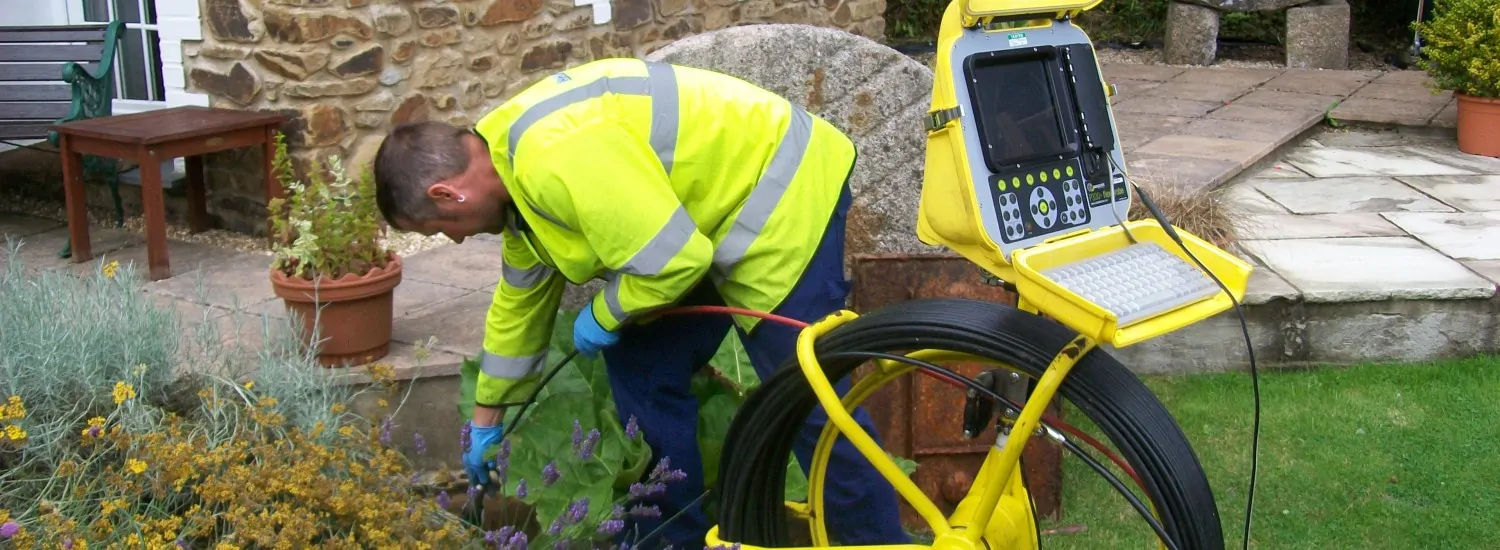
Professional drainage specialists based in Arundel use specialised equipment such as CCTV drain surveys to identify blockages, pipe collapses, or root ingress that may not be visible on the surface. They can also perform high-pressure water jetting and repairs to restore drainage flow effectively.
If you experience repeated flooding or standing water despite regular maintenance, scheduling a drainage inspection can provide peace of mind and prevent costly damage. Local experts understand the drainage nuances specific to West Sussex, ensuring solutions are tailored to the area’s conditions.
Need a drainage expert in Arundel?
Call 01903 905205