How to Unblock a Drain in Arundel: A Step-by-Step Guide
Blocked drains are a common issue for homeowners in Arundel and throughout West Sussex, often causing inconvenience and even property damage if left untreated. Whether you’re dealing with a slow-draining sink, a clogged shower, or an outdoor drain backing up after heavy rain, knowing how to tackle the problem safely can save time and money.
This guide offers practical, straightforward methods to unblock drains yourself using easily accessible tools like plungers, drain rods, and hot water. We'll also highlight the risks of ignoring a blockage and advise when it’s sensible to call a drainage professional in Arundel or nearby towns such as Littlehampton and Bognor Regis.
Common Causes of Blocked Drains in Arundel Homes
Understanding why drains become blocked can help prevent future issues. In many West Sussex homes, blockages are caused by a build-up of grease, fat, and food waste in kitchen sinks. Bathroom drains often clog due to hair, soap scum, and toothpaste residue gathering over time.
Outdoor drains around properties in Arundel and neighbouring areas like Rustington and East Preston can become obstructed with leaves, sediment, and debris especially after storms or during autumn. Pipe damage or tree roots growing close to drainage lines are also frequent culprits that may require professional attention.
Using a Plunger to Clear Simple Blockages
A plunger is one of the easiest tools to use for unblocking sink or toilet drains at home. For sinks, ensure there is some water in the basin to create an effective seal before plunging. Place the plunger firmly over the drain and pump it up and down several times to dislodge the blockage.
For toilets, use a flange plunger designed specifically for the bowl shape. Avoid excessive force to prevent damage to pipes or fittings. If the blockage loosens, flush the drain with hot water to clear away debris. This method works well for minor blockages caused by organic matter or toilet paper build-up.
Clearing Drains with Drain Rods
Drain rods are flexible tools that can reach blockages further down the pipe, often beyond what a plunger can clear. They are particularly useful for clearing hair clogs in bathroom sinks or showers. Carefully insert the rods into the drain, twisting and pushing gently to break up or retrieve the blockage.
In Arundel homes, drain rods can help tackle issues caused by the typical Victorian or Edwardian pipework which may be narrower and more prone to clogging. Always clean the rods thoroughly after use and avoid forcing the rod to prevent pipe damage.
Using Hot Water to Melt Grease and Soap Build-Up
Pouring boiling or very hot water down the drain can help dissolve grease, fat, and soap scum that stick to pipes and cause blockages. This method is particularly effective in kitchen sinks where cooking oils commonly accumulate.
To use this method safely in homes around West Sussex, boil water slowly and pour down the drain in stages to avoid damaging older pipework. Repeat the process a few times with short pauses to allow the heat to soften the build-up gradually. Do not use boiling water on plastic pipes, which are common in newer properties, as it may cause damage.
When to Avoid DIY and Call a Professional
Certain blockages require specialist equipment and expertise that go beyond simple home remedies. For example, if multiple drains in your Arundel property are slow or blocked, or if you notice foul smells or sewage backups, it may indicate a deeper issue such as tree root infiltration or collapsed drains.
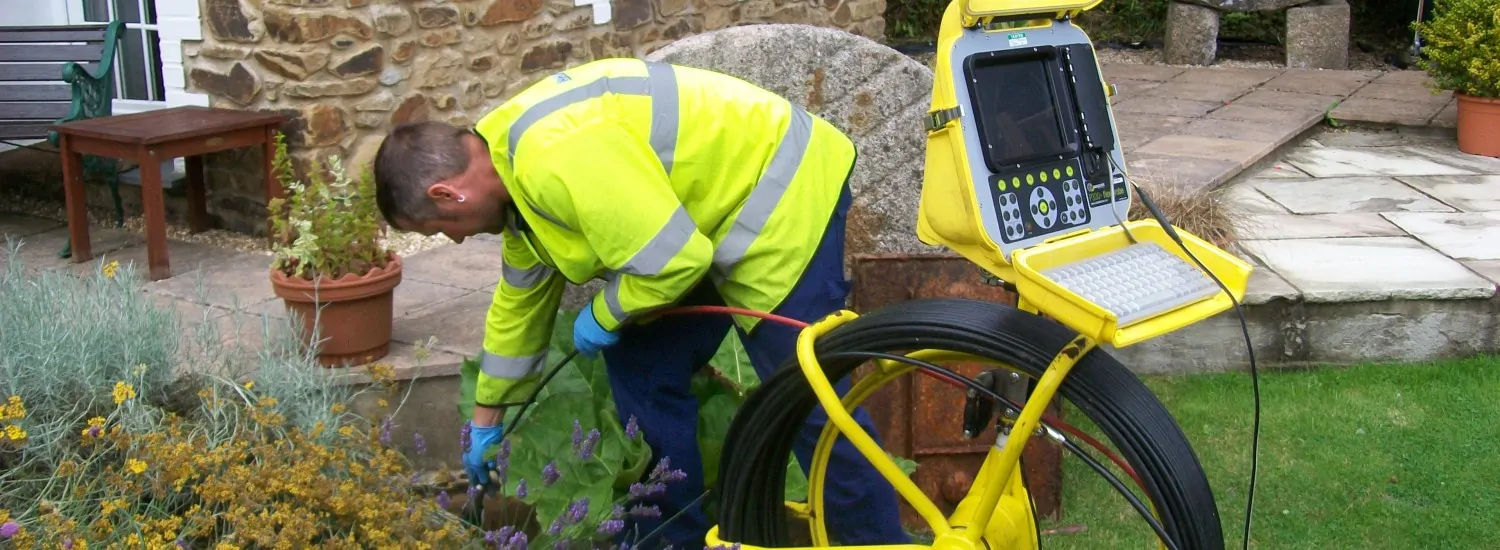
If you try the basic tools like plungers and rods without success, or if you suspect the blockage is in underground pipes shared with neighbours in nearby towns like Barnham or Walberton, contacting a professional drainage company is the safest course. They can carry out inspections, using CCTV surveys, and provide targeted repairs before damage worsens.
Risks of Leaving a Blocked Drain Untreated
Ignoring a blocked drain can lead to serious problems including foul odours, water overflowing into living spaces, and long-term damage to your property’s foundations. In older West Sussex homes, persistent blockages increase the risk of pipe corrosion and leaks, which are costly to repair.
Additionally, stagnant water from blocked drains can become a breeding ground for bacteria and pests, posing health risks to your household. In areas like Ferring or Middleton-on-Sea, where properties are often close to water tables, unchecked blockages can cause wider drainage issues affecting neighbours.
Preventing Future Blockages in Arundel Homes
The best approach is to prevent blockages before they happen. Avoid pouring fats, oils or grease down kitchen sinks, and use strainers in bathroom traps to catch hair and debris. Regularly flushing drains with hot water can help keep pipes clear, especially in properties with older plumbing.
If you have a garden or driveway drains, routinely clear leaves and sediment, particularly during the autumn months in West Sussex. Regular annual inspections by a drainage specialist can identify early signs of blockages or damage, saving homeowners in Arundel, Littlehampton, and surrounding towns from costly emergency repairs.
Need a drainage expert in Arundel?
Call 01903 905205